Discover the Dominican Liturgy
Pray the complete medieval Office as generations of Dominicans once did.
The Return of a Lost Tradition
For centuries, the Dominican Rite has stood as one of the most venerable and distinctive liturgical traditions in the Western Church.
Now, for the first time in over six decades, a complete, single-volume Latin Totum Dominican Breviary returns to print. Based directly on the landmark 13th-century Dominican Prototype of Blessed Humbert of Romans preserved at Santa Sabina in Rome (MnS XIV L1), this volume restores the pristine, pre-Tridentine daily office as prayed by St. Thomas Aquinas, St. Albert the Great, and St. Raymond of Penyafort.

For centuries, the Dominican Office formed the daily prayer of generations of Dominican friars and nuns. Yet today, complete editions of this tradition are extraordinarily difficult to obtain.
Out of print for decades and virtually unobtainable outside of costly collector markets, this new edition offers laity, scholars, clergy, religious, and Lay Dominicans an accurate, unabridged text of the classic Dominican Breviary, presenting the entire liturgical year (from Matins to Compline) in one portable, beautifully typeset 5" x 7.5" (12.7cm x 19.1cm) volume.
Pray the complete medieval Office as generations of Dominicans once did.
A handy, compact volume created for daily use rather than expensive antique editions.
Carefully restored from the medieval source into a modern format.
The Codex of Humbert, Santa Sabina XIV L1 in Rome, is comprised of 997 leaves of parchment, with each folio at 48 x 32 cm. In the upper right corner is depicted the Blessed Virgin, the upper left Gabriel, and the lower left and right are two Dominican Friars.
The title of the codex is written across these four depictions, Ecclesiasticum Officium Secundum Ordinem Fratrum Predicatorum In Hoc Volumine Per Quatuordecim Libros Distinctum Hoc Ordine Continetur (The Ecclesiastical Office According To The Order Of Friars Preachers, Divided Into Fourteen Books, Contained In This Order), and lists the following sections:
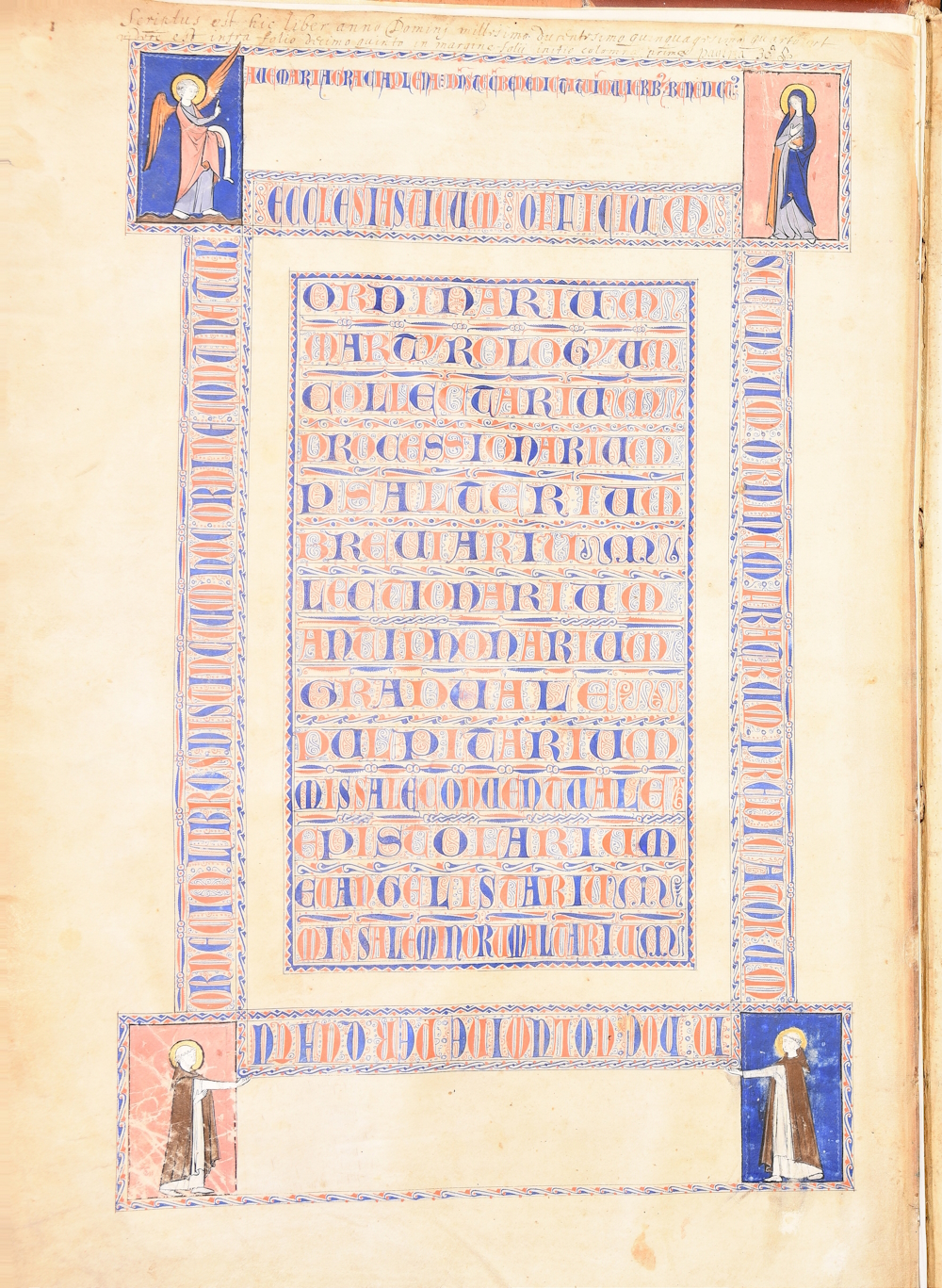
The impetus for this Breviary was driven by five goals:
Reconstructed from the Codex of Santa Sabina XIV L1, preserving the Dominican Office according to the standard of Humbert of Romans.
Long has price been a barrier of entry for acquiring a Latin Breviary. This Breviary aims to be accessible, by lowering the barrier of entry, and contributes to the democratization of the Latin Divine Office.
For more than a hundred years, the ancient Roman cursus has been out of print, and all Breviaries today, even traditional ones, claim their heritage to the radical Breviary reforms of St. Pius X.
Compiled using LaTeX, with source files publicly available, this project aims to allow future re-use, collaboration, and improvement of liturgical texts.
By utilizing modern print-on-demand publishing, this Breviary aims to demonstrate the viability of using such services to print liturgical books for private use, restoring the medieval definition of the Breviarium or Plenarium as a compactification of books.
This Breviary has been carefully transcribed from the manuscript to preserve the structure, rubrics, prayers, lessons, and kalendar of the prototype.
In keeping with the nature of the source, the medieval orthography has been largely preserved, rendering the text faithful to a millennium of Latin scribal practice.
Hosted on GitHub, the source files are available publicly, allowing others to study, adapt, and contribute to future development.
This project represents the first foray into Open-Sourced Breviaries, with an aim for future reusability of files, using flexible macros and templates allowing for flexibility in layout and style.
From concept and historical research to LaTeX typesetting, page design, and preparation for publication, this Breviary has been the passion project of a single individual.
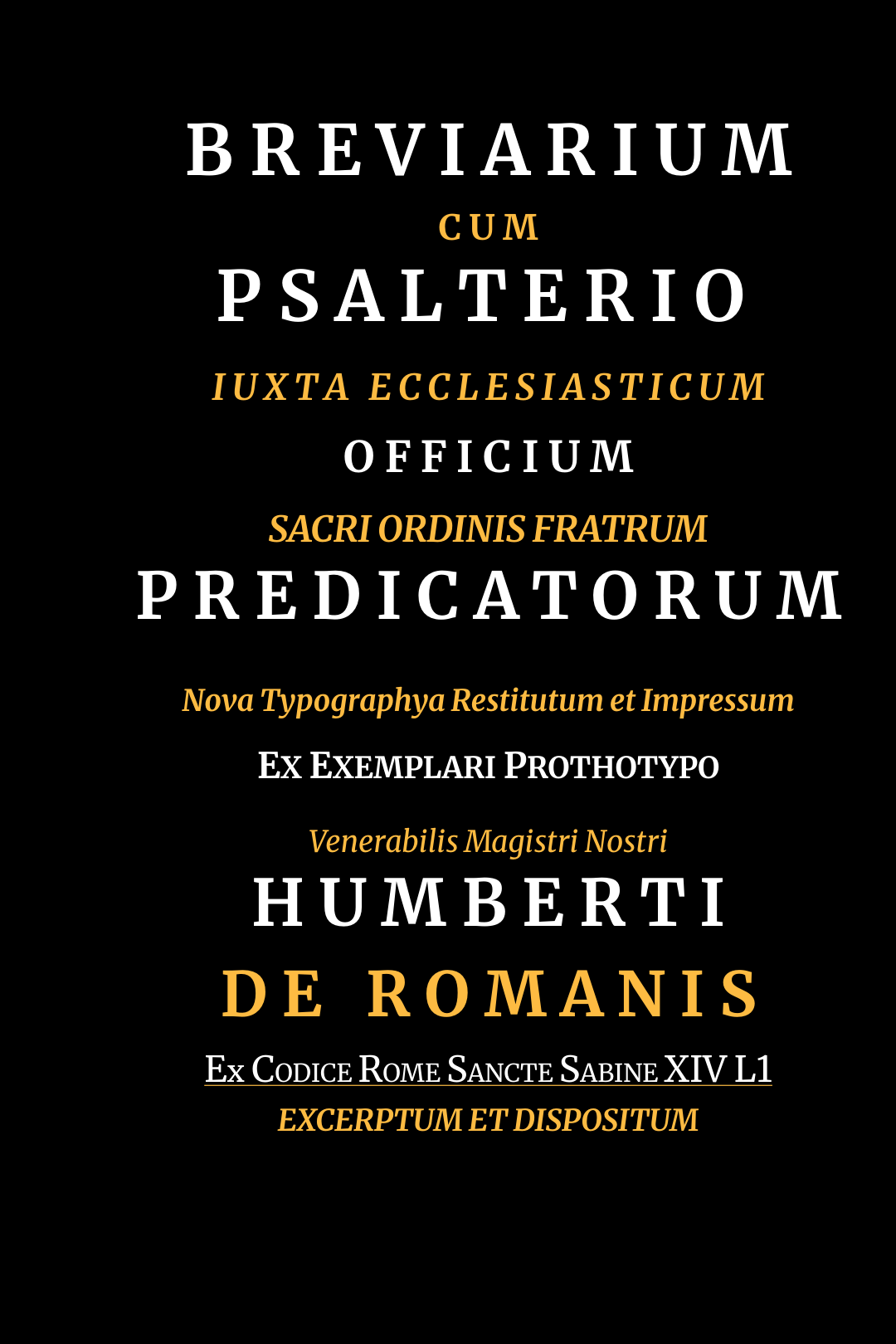
The complete Dominican Office, presented in a handy, compact 5" × 7.5" 1.4" (12.7cm x 19.1cm x 3.6cm) paperback volume intended for daily use.
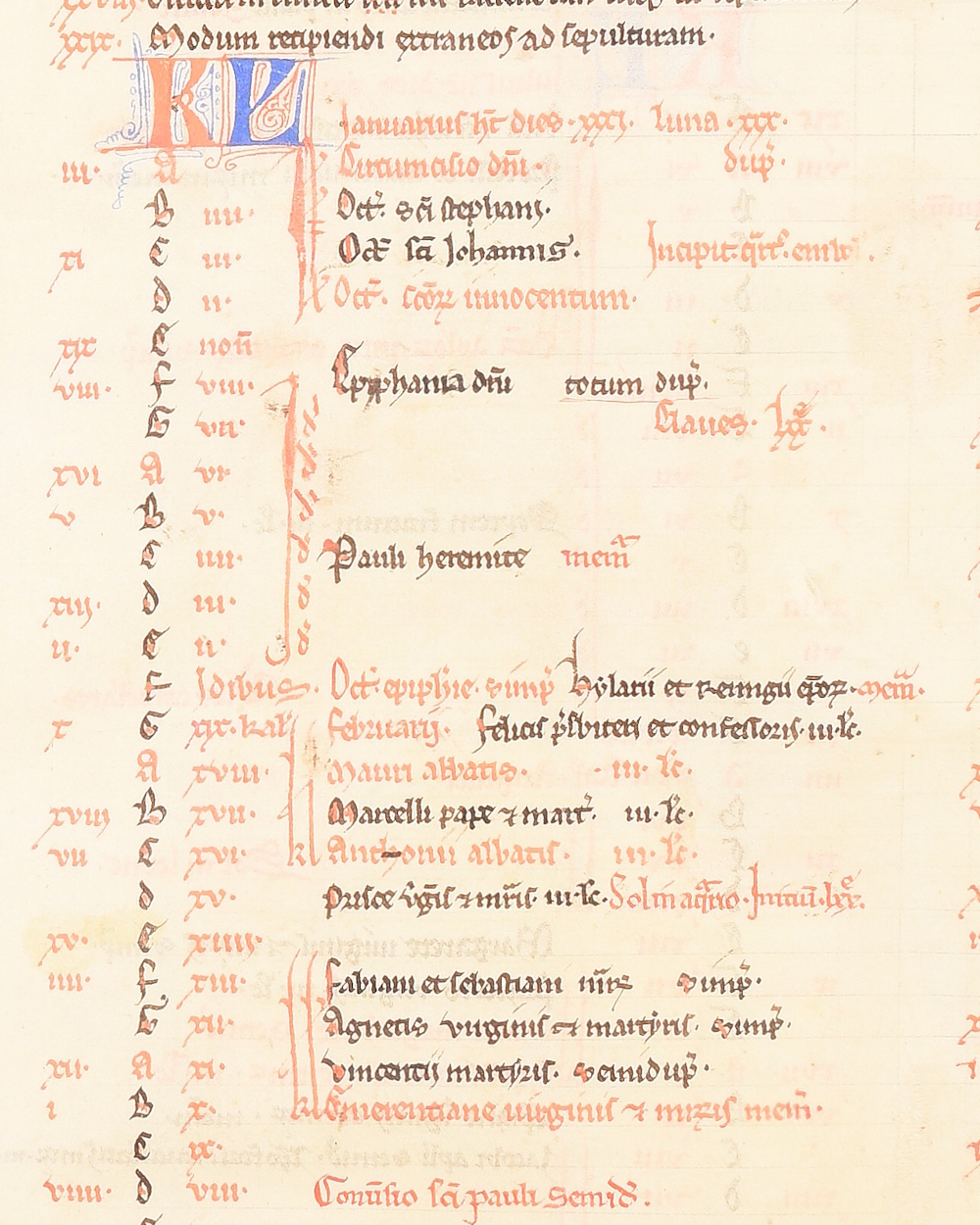
The calendar preserves the pristine Dominican cycle of feasts as established under Blessed Humbert of Romans, limiting the number and rank of feasts, and allowing the Temporal Cycle to take precedence.
Preview CalendarContains all texts required for the daily recitation of the Divine Office.
Contains the complete liturgical year in one compact volume.
Designed for daily use, not an heirloom shelf-item.


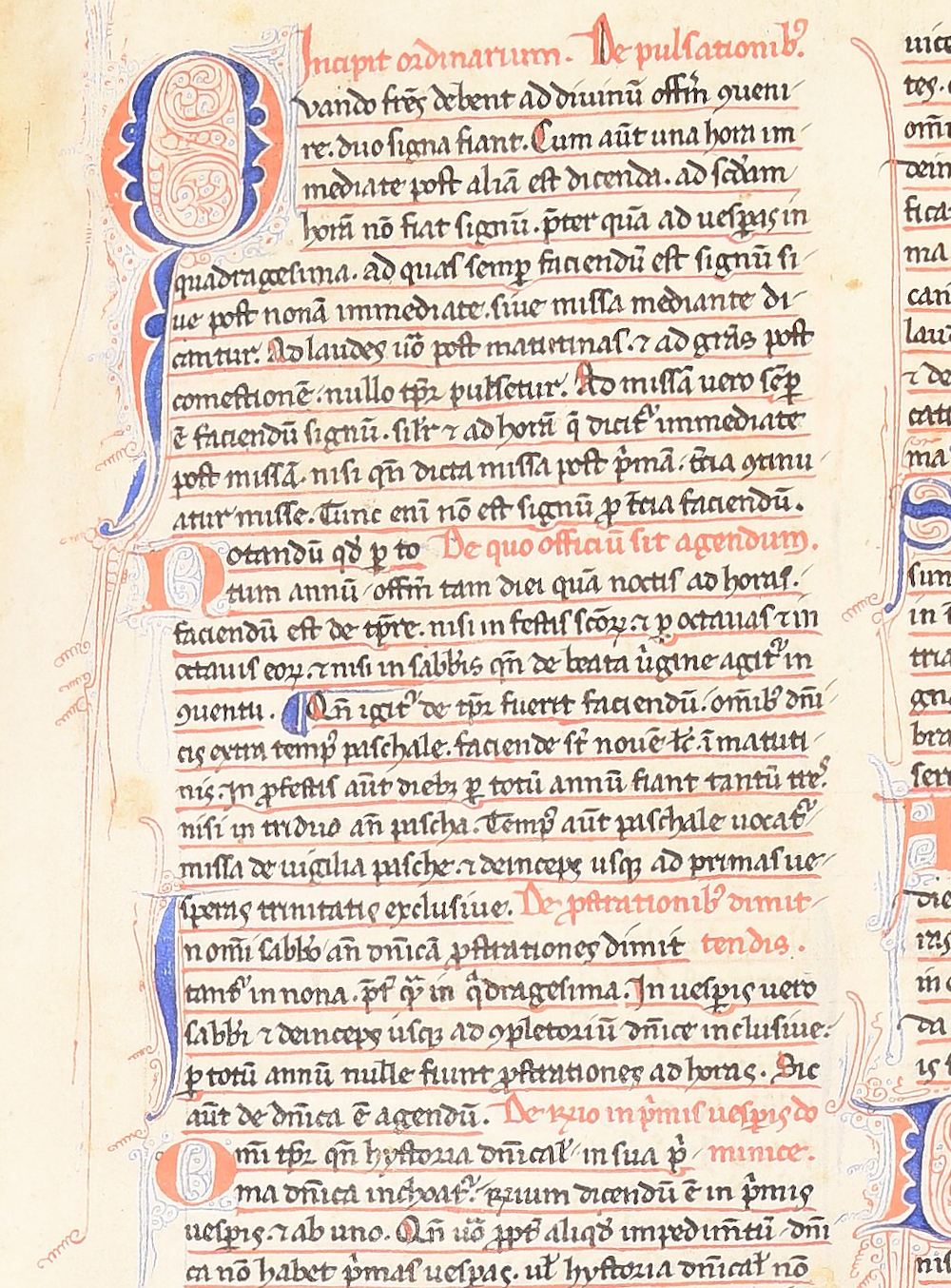
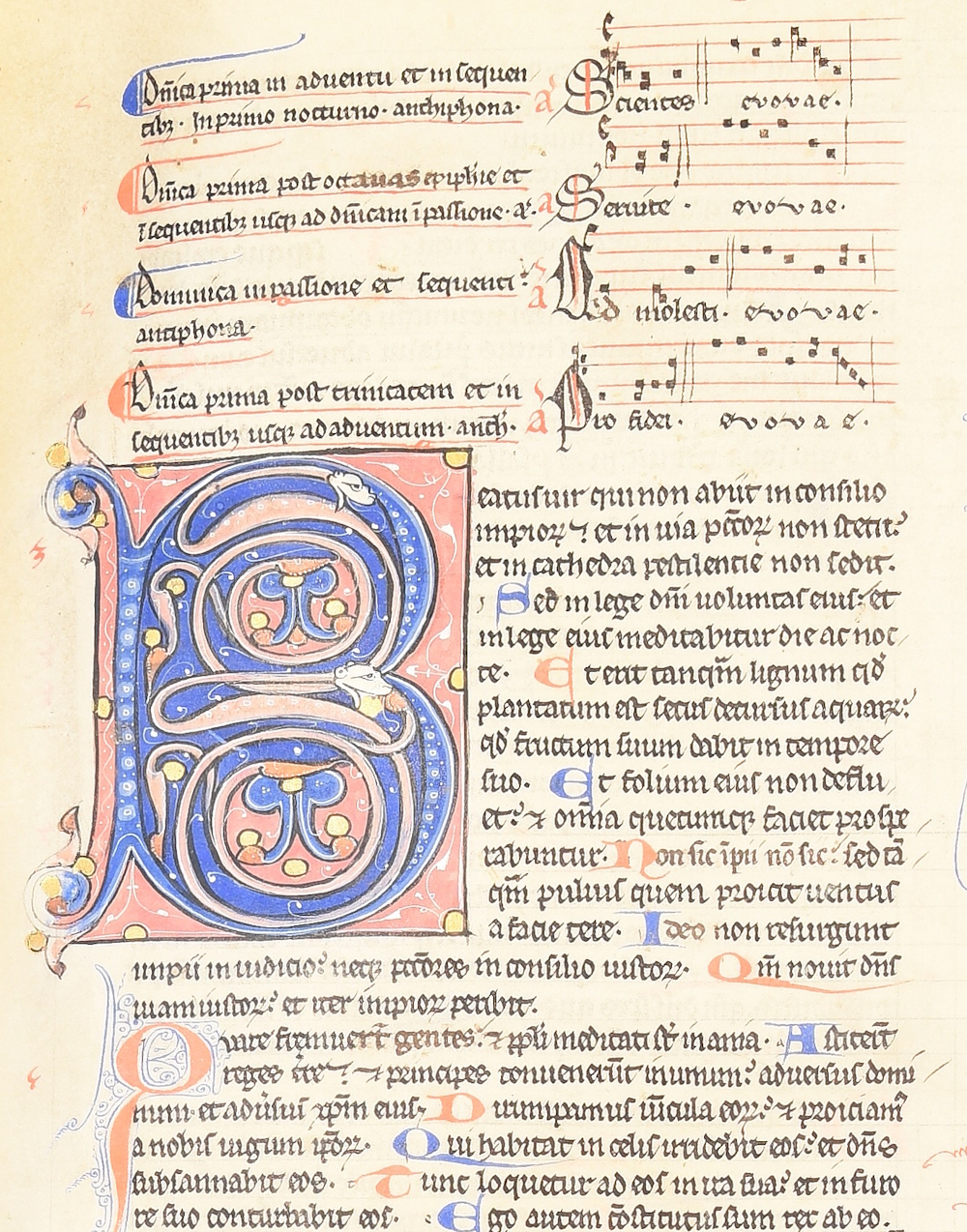
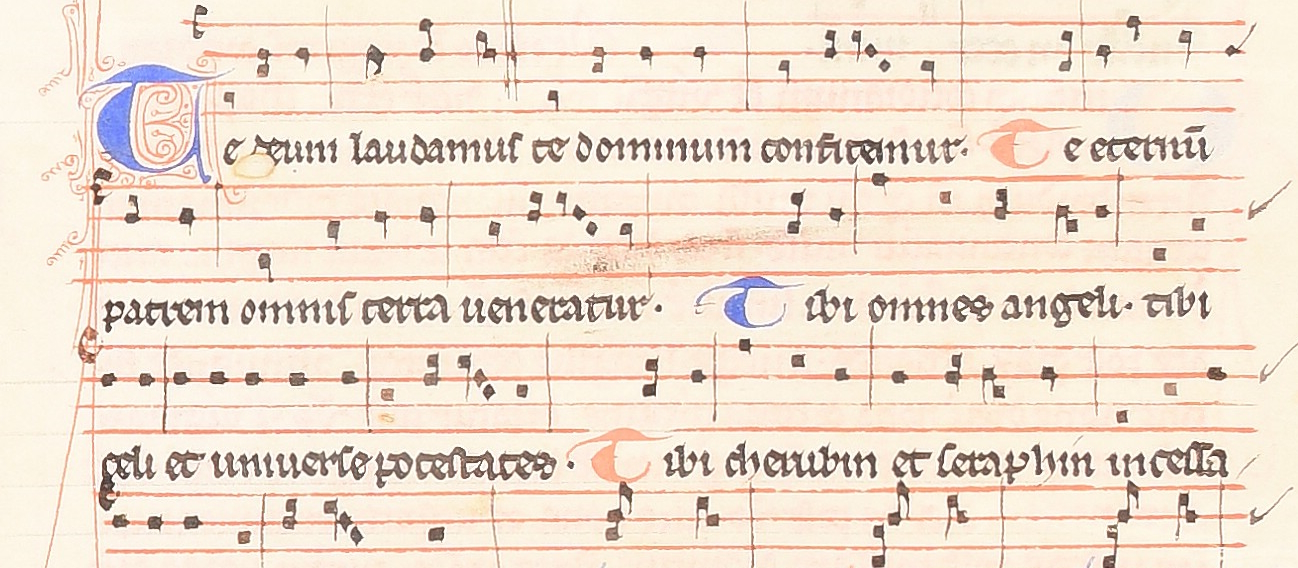
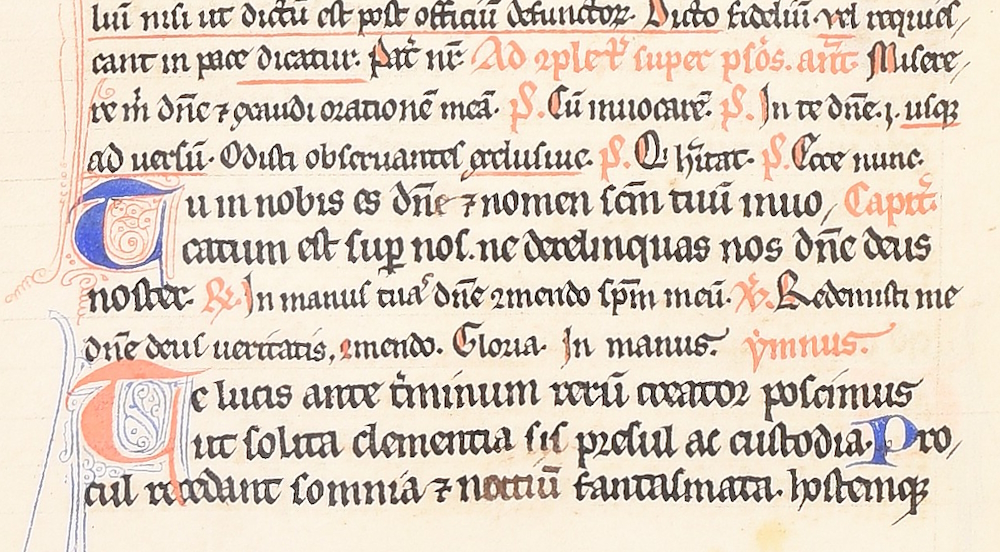
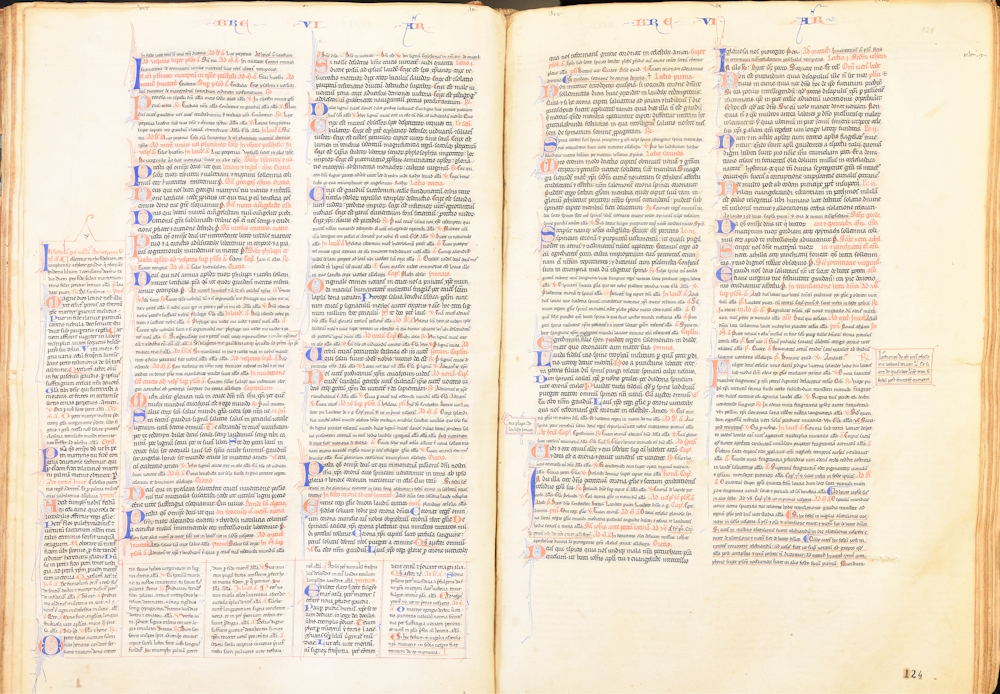
The Venerable Traditional Dominican Rite, transcribed from the 13th-century prototype of Humbert of Romans.
Medieval Latin, with an English foreword.
Color paperback print edition available through Amazon.
5" x 7.5" x 1.4" (12.7cm x 19.1cm x 3.6cm); no ribbons; users are encouraged to use bookmarks, prayer cards, or tab inserts for navigation
About 570 pages.
This Breviary will be available through Amazon, with a free PDF preview and open-source LaTeX code available on GitHub.
Yes. It contains the complete Matins lessons of the 13th-century Dominican Office, made possible by generous internal rubrics that dictate that lessons be read from the common, or repeated from the previous Sunday.
Yes, this Breviary contains all the canonical hours for every day of the year in a single volume.
Medieval Latin. This is the Latin of the Catholic Church. Considering the international audience, and for fidelity to the medieval source, Latin will be the only option. Latin ensures that anyone with Dominican Chant Books can sing them in their proper melodies. Those looking for English may find the Ordo companion helpful with English rubrics.
For authenticity and fidelity to the text, the Latin orthography is based directly on the source manuscript, with modern distinction between u's and v's. This style of Latin was the norm for nearly 1,000 years, before the Humanists of the Renaissance standardized Latin orthography. Because historical accuracy is of the utmost priority, future projects will use the original spelling as found in the source manuscript.
This Breviary uses the Kalendar as given in the Humbertian prototype, that is, the Dominican Rite Kalendar of the 13th century. The Kalendar is balanced between Temporal and Sanctoral feasts, and is simple to learn. There will be an Ordo available to purchase and download, complete with English Rubrics and an how-to guide.
LaTeX, «Lah-tech» or «Lay-tech», is a document preparation system for high-quality typesetting. It is most often used for medium-to-large technical or scientific documents but it can be used for almost any form of publishing. LaTeX is also open-source software; consequently, it is freely available, yet it provides for powerful macros and offers a deep package ecosystem. It is widely regarded as the industry standard for academic and scientific publishing due to its superior ability to render complex mathematical formulas and its robust system for managing large-scale documents, cross-references, and citations. This allows for the creation of professional documents that can be compiled and inspected by anyone, ensuring transparency, without reliance on proprietary licensing.
Yes. The complete LaTeX repository is open-source and hosted on GitHub. Anyone can inspect the code, compile their own PDF, or fork the repository to compile their own Breviary or Liturgical Book. The source is available at AlanL399/BreviaryTypesetting
By utilizing free software, such as LaTeX and GitHub, and modern technologies, namely, print-on-demand (POD) publishing, the immense overhead, boardrooms, and marketing budgets of corporate publishing houses can be easily bypassed. Under an economical mindset, gold-gilt and fine leather options were skipped, costs have been kept low, leaving the focus on the publishing alone.
Compared to competing offerings, this Breviary is a class of its own, being a full, one-volume Breviary with no excised content. Other Breviary options are either expensive, multi-volume sets, or are one-volume truncated editions with omitted material, e.g. diurnals or beginner editions.
Compared to publishers offering a monthly subscription for a selection of the Divine Office, this Breviary is more economical as a one-time purchase than a whole year's subscription for a reduced selection of disposable, landfill-bound monthly prayer booklets. This volume has zero recurring fees, zero corporate subscriptions, and zero waste.
The layout of this Breviary follows the source Codex of Santa Sabina XIV L1, which is slightly more convoluted than pre-/post-conciliar Breviaries, but is more or less in line with the 1894 Dominican Breviary as found online.
If there is demand, other publishers will be considered for hardcover, as KDP is limited in options when it comes to hardcover publishing. A KDP hardcover printing is not conducive to the flipping of pages in daily use.
To keep pagecount low, chant notation is not included in this Breviary. While LaTeX supports chant notation, music is outside the scope of this project. That being said, this is a Dominican Breviary, so anyone with Dominican Chant Books can sing them in their proper melodies.
This Breviary follows the Dominic tradition as codified by Bl. Humbert of Romans, the fifth master-general of the Dominican Order. As Fr. William Bonniwell, O.P. writes in his A History of the Dominican Liturgy, St. Dominic was "an ardent lover of the liturgy" and believed that for "preaching to be fruitful it must needs be sustained and vivified by prayer (sic)." The Dominican Rite, more properly, the Dominican Use, is a variant of the Roman Rite with medieval variations, and is but one example of the colorful and manifold varieties of liturgy during the Age of Faith.
This Breviary contains the medieval Divine Office, which differs from the Liturgy of the Hours in several aspects, from seven canonical hours (vs. five), a weekly Psalter (instead of a four-week Psalter), and different rubrical logic concerning the structure of feasts, for example, ranks and rules regarding First Vespers and Octaves.
This Breviary preserves the ancient Roman Psalter distribution and cursus, from twelve Psalms at ferial Matins, to eighteen Psalms and three nocturns at Sunday Matins, to the daily use of Psalm 118 at the minor hours, and fixed Psalms at Compline. The antiphons, feasts, and Kalendar also differ by many respects, being proper to the Dominican Rite, and thus cannot be easily adapted to the 1962 Roman Breviary without causing great violence to both traditions.
For laypersons, private prayer does not require any ecclesiastical approval. As Pope Benedict XVI once said, "What earlier generations held as sacred, remains sacred and great for us too, and it cannot be all of a sudden entirely forbidden or even considered harmful. It behooves all of us to preserve the riches which have developed in the Church's faith and prayer, and to give them their proper place." Clerics or those living under a rule should consult their competent religious superiors about use of this volume to fulfill their canonical obligation.
Accordingly, this book makes no claim to have ecclesiastical approbation for public liturgy.
Yes. A companion Daily Ordo is currently in development and will be available separately. It will provide instructions on the which Office is said for each day, and will provide an English translation of the rubrics.